


Loading
About HPMUN
Highland Park Model United Nations is a student-led organization for students who want to understand the world well enough to argue about it — fairly, and with care.
Introduction
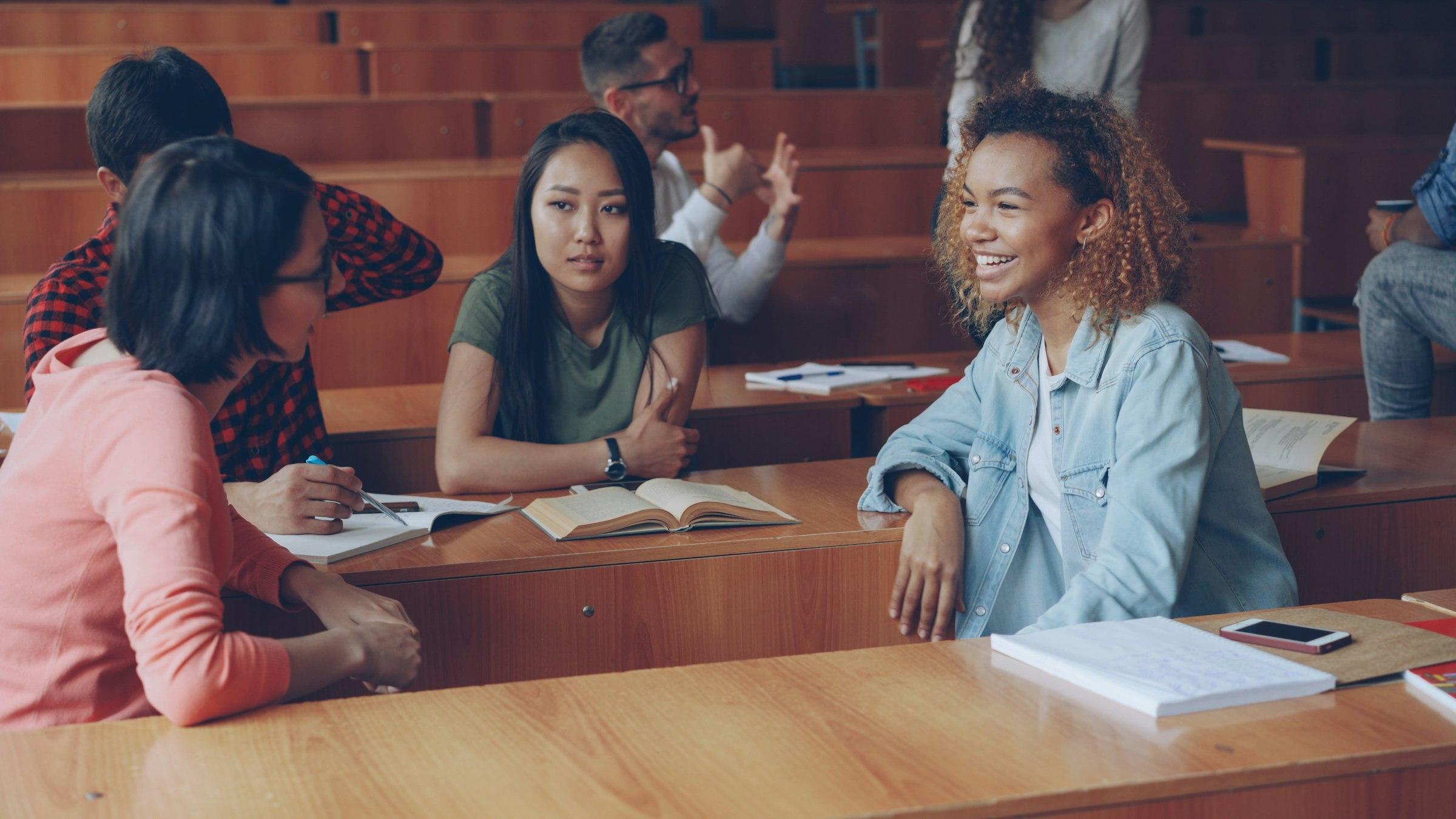
HPMUN brings together students interested in diplomacy, international relations and public life. Members prepare for and take part in Model UN conferences, where each delegate represents a country and works with others to respond to real international problems.
The organization is run by its students, supported by faculty advisors. Its standards are set by the people in it: thorough preparation, respectful debate, and a willingness to change one’s mind when the argument is better.

Our mission
We want every member to leave HPMUN able to research a complex question, state a position clearly, listen to an opposing one, and help draft a text that a room full of different interests can support.

Our vision
Public life needs people who can disagree without contempt and compromise without giving up their principles. We see Model UN as practice for exactly that — and HPMUN as a place where that practice is taken seriously.
What is Model United Nations?
In Model UN, students take on the roles of diplomats from the UN’s member states and debate the questions those states face — from disarmament and public health to climate and human rights.
Before a conference, each delegate is assigned a country and a committee. They research the topics, their country’s interests and its past positions, and often submit a short position paper.
In committee, delegates give speeches, negotiate in small groups and write draft resolutions. Debate follows formal rules of procedure, overseen by a chair.
The goal is not to win an argument but to pass a resolution — which means persuading delegations whose interests differ from your own.
Along the way, delegates practice skills that matter well beyond the committee room: reading carefully, writing precisely, and speaking to be understood.
How a committee works
Procedure differs between conferences, but most committee sessions follow the same arc.
Step 1
The chair confirms which delegations are present, and whether each is present and voting.
(1 of 6)Step 2
Where there is more than one topic, the committee votes on which to debate first.
(2 of 6)Step 3
Delegates set out their countries’ positions in formal speeches.
(3 of 6)Step 4
Moderated and unmoderated caucuses let delegates debate details and build coalitions.
(4 of 6)Step 5
Working papers become draft resolutions once they gather sponsors and signatories.
(5 of 6)Step 6
Amendments and then draft resolutions are put to a vote.
(6 of 6)What students learn
Making a clear case in a fixed time, to a room that may disagree.
Finding reliable sources and reading them critically.
Understanding what others need, and what you can offer.
Drafting precise language that many people can sign.
Working in shifting groups toward a shared text.
Staying thoughtful under time pressure and scrutiny.
Core values
Affirms that every delegation deserves a fair hearing, however small or unpopular.
Expects arguments grounded in evidence and honest about what is uncertain.
Encourages questions asked to understand, not only to score a point.
Insists on fair play in debate, in negotiation and in every vote.
Every resolution begins as a disagreement.
Whether you are curious about Model UN or ready for your first conference, we would like to hear from you.